
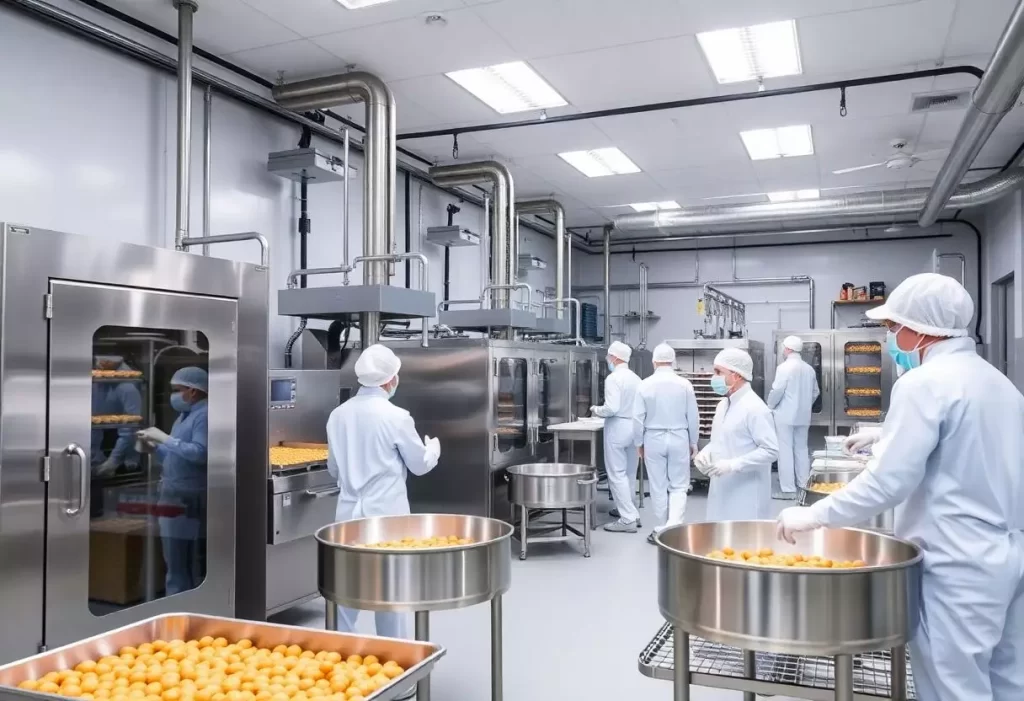
As of July 2025, new food safety standards are being rolled out across the food manufacturing industry in response to evolving health research, consumer expectations, and international trade requirements. These regulations are designed to strengthen the prevention of contamination, improve traceability, and ensure faster response times in the event of food safety breaches.
One of the most significant updates is the requirement for enhanced digital recordkeeping throughout the supply chain. Manufacturers must now implement systems capable of real-time tracking of ingredients, production timelines, and storage conditions. This change aims to reduce investigation times during recalls and improve accountability across suppliers.
Another key change is the tightening of hygiene and allergen control protocols. Facilities will need to update their Hazard Analysis and Critical Control Points (HACCP) plans to reflect these more rigorous standards. This includes mandatory allergen segregation zones and increased frequency of equipment sanitation.
Training and certification requirements have also been revised. All food handlers and supervisory staff must complete updated food safety training programs by the end of Q2 2025, with ongoing refresher courses mandated annually.
To assist with implementation, regulatory bodies are offering transitional support, including toolkits, webinars, and compliance checklists. However, manufacturers are encouraged to act swiftly, as penalties for non-compliance post-deadline will be significantly stricter than in previous years.
For businesses in the food sector, understanding and adapting to these standards is essential not only for compliance but also for maintaining consumer trust in an increasingly transparent marketplace.